





Esso Cup
TELUS Cup
Centennial Cup


The game schedules are set and tickets are on sale for a trio of national championships this spring – the Esso Cup, TELUS Cup and Centennial Cup, presented by Tim Hortons.
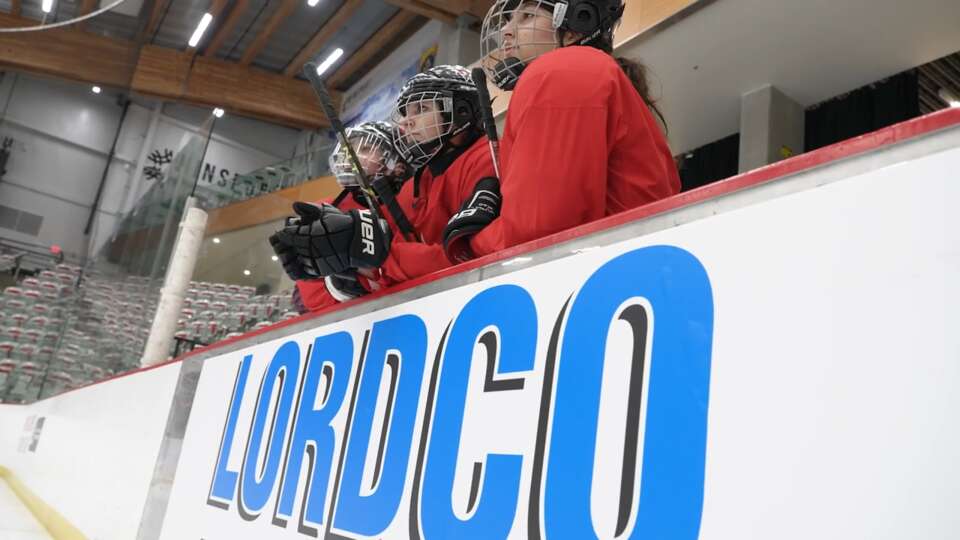

Together, Lordco and the HCF Assist Fund are helping families like the Risdons stay on the ice and in the game.
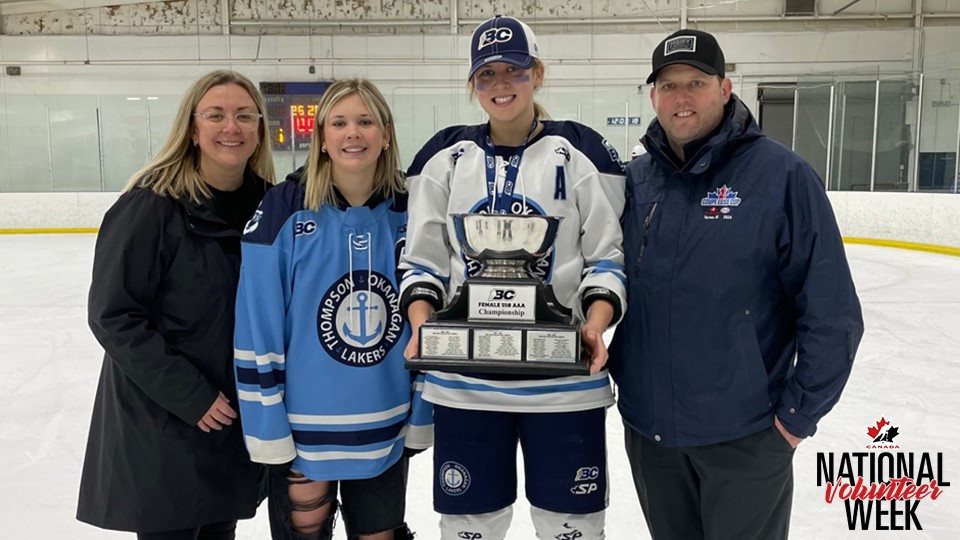
For more than two decades, Braden Robertson has given his time and financial support to girls' hockey in Vernon.
National Championships
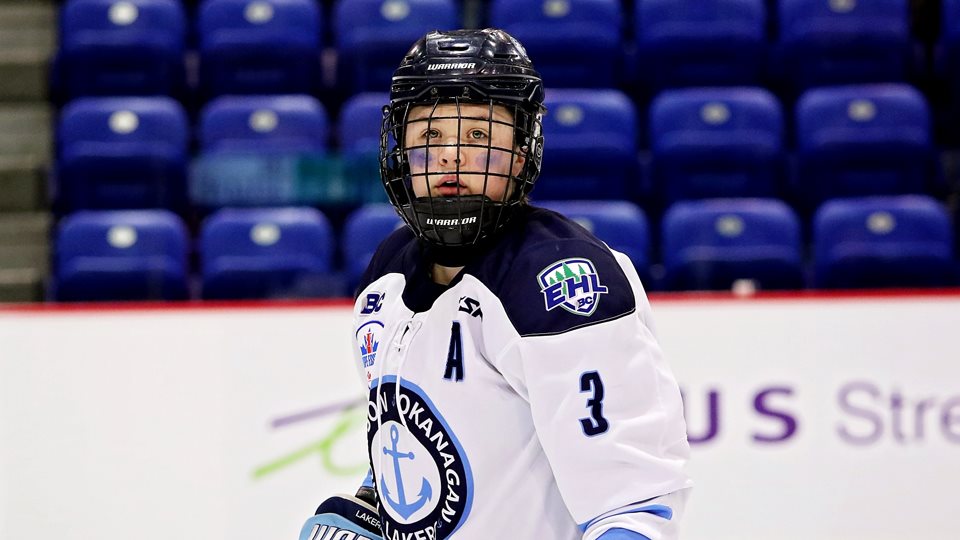

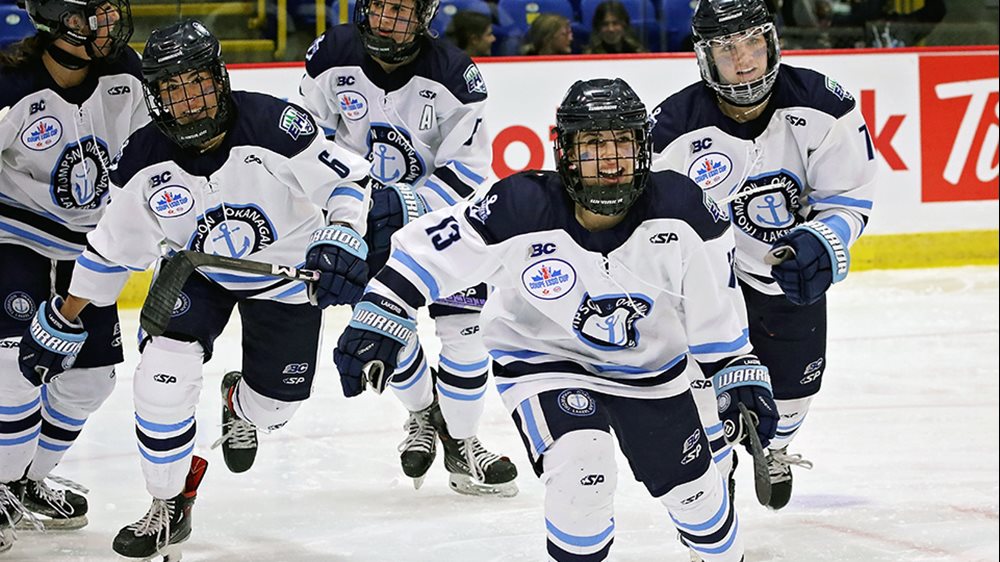
Nine years ago, Calleja Misson dropped the puck and carried the flag at the Esso Cup. Today, she’s helping the host Thompson-Okanagan Lakers chase a national title.

With Callie Dach competing at the Esso Cup, she is continuing her family tradition of competing at a high level.
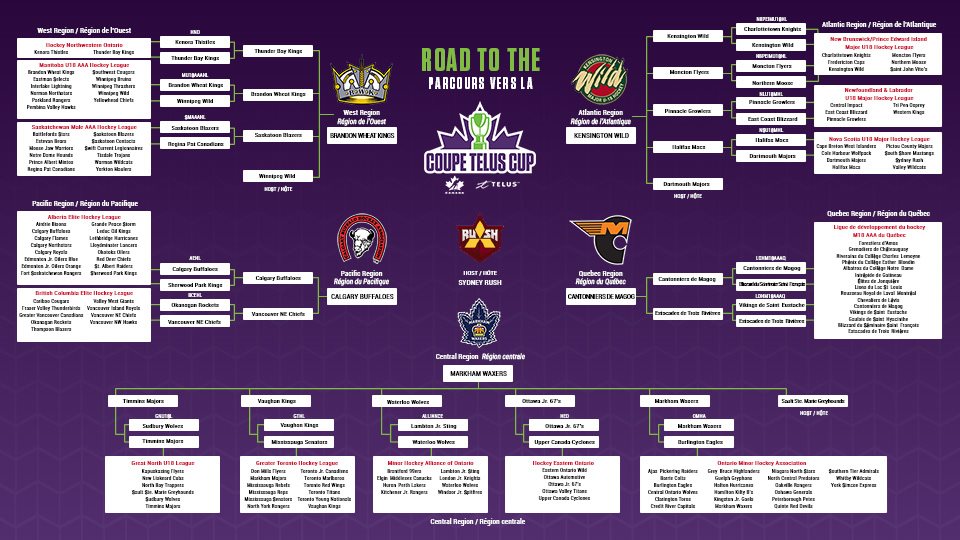
Brandon, Calgary, Kensington, Magog and Markham will join host Sydney to compete for a national championship.
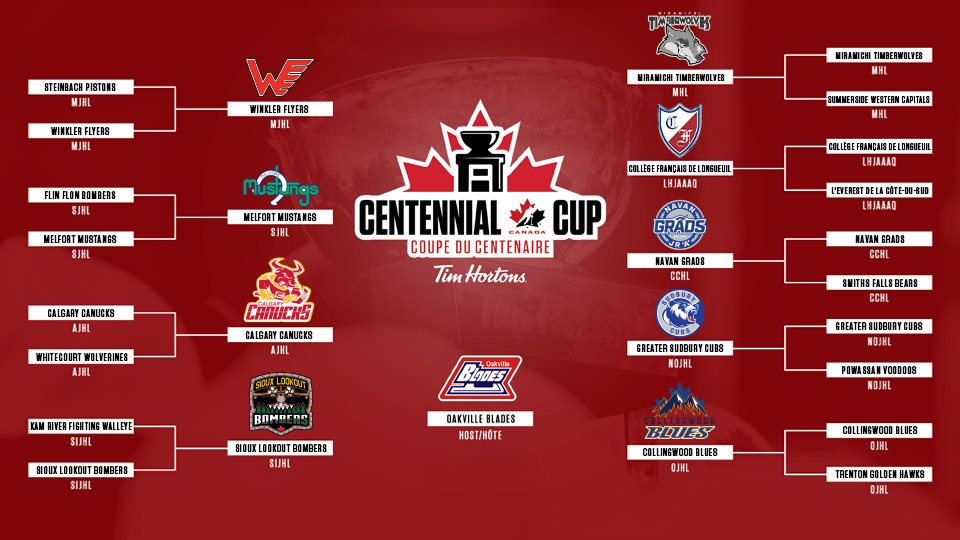
From 117 teams to one national title, follow along as nine leagues crown champions to join the host Oakville Blades at the Centennial Cup, presented by Tim Hortons.
Women's World Championship

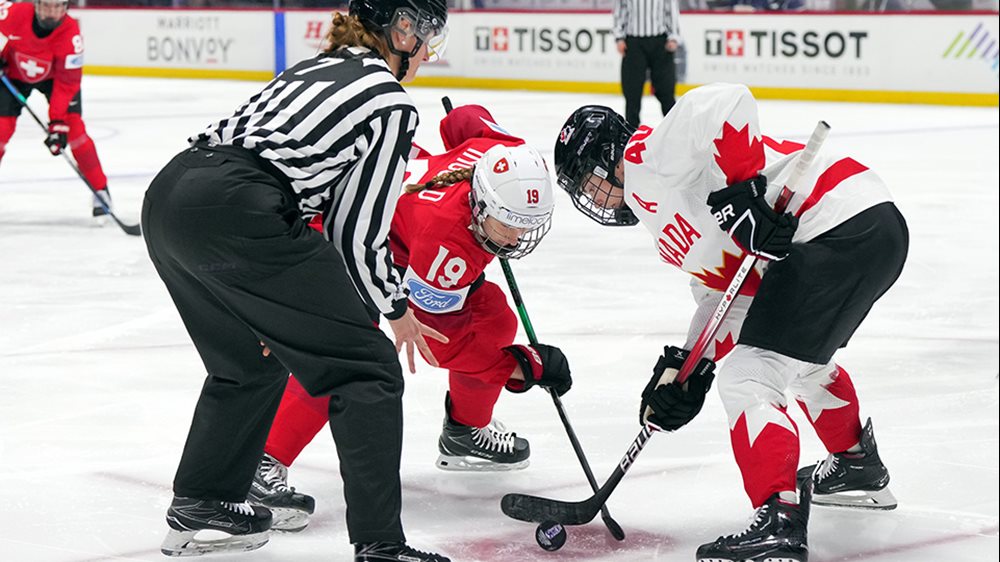
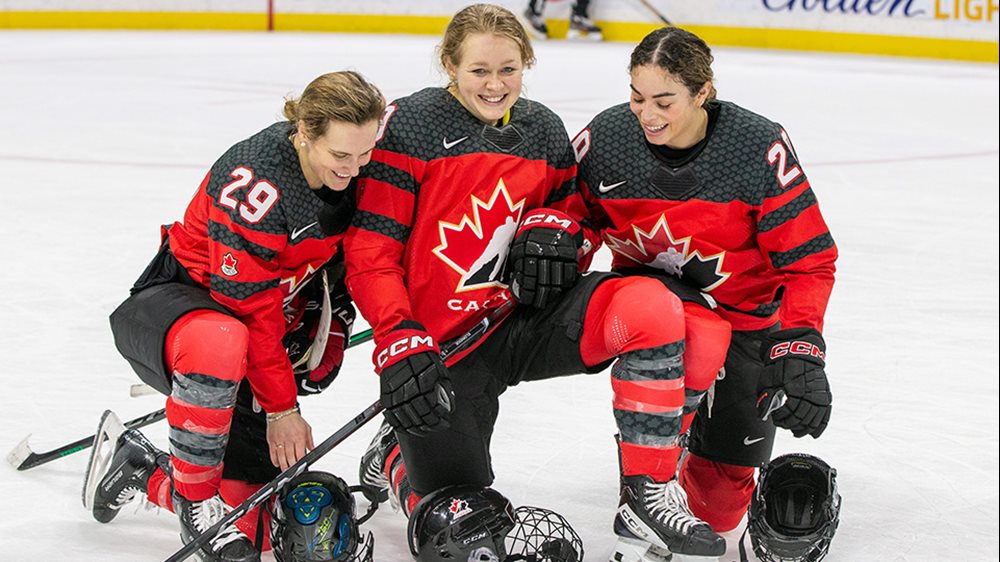
With only 45 seconds on the clock, we put a few members of Canada’s National Women’s Team to the test by asking them to draw themselves … and the results are terrific.

From Drake to the Olympics, Alex Clarke has broken barriers and inspired young officials on her unique hockey journey.
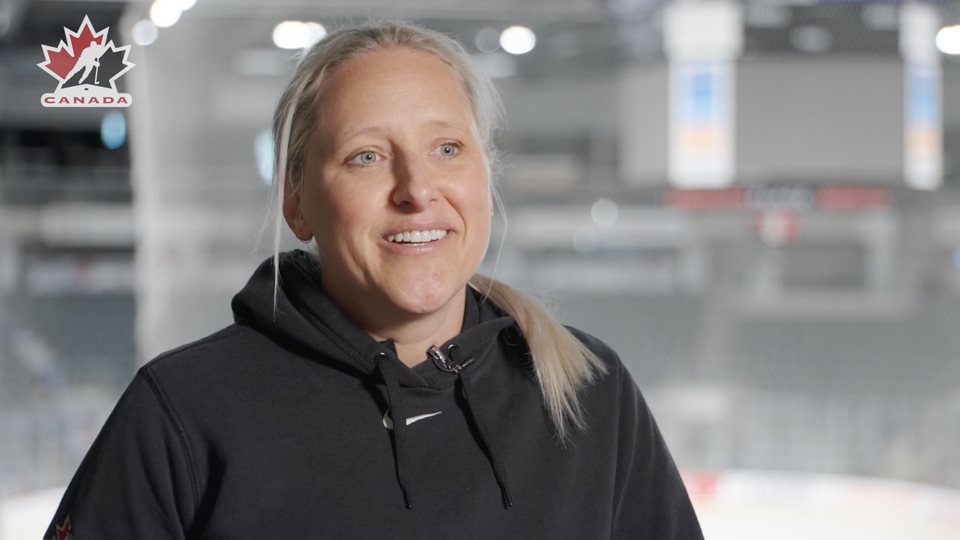
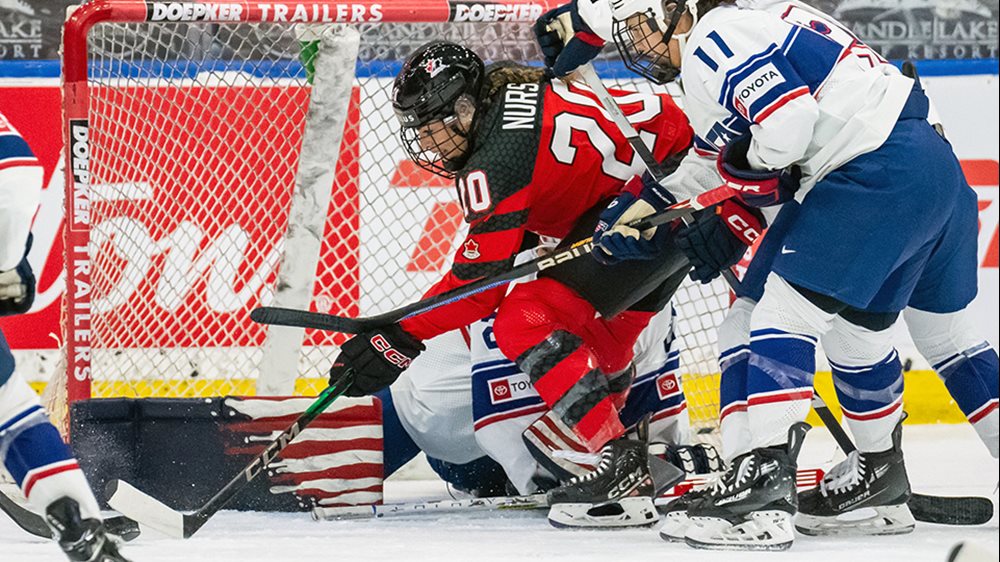
From the Rugby World Cup to Women’s Worlds, the mental performance consultant is still serving her country.

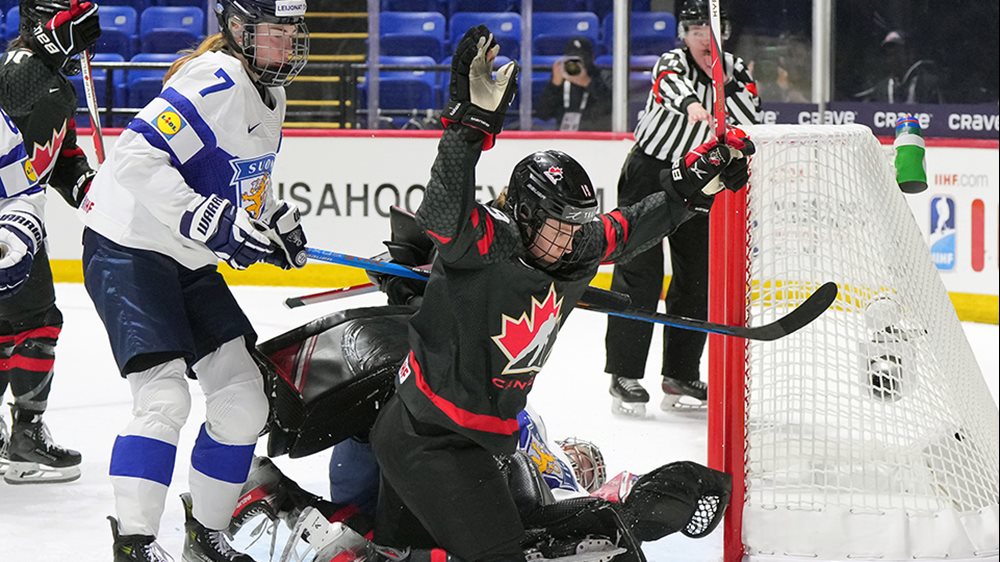
From her first strides at Edmonton’s Terwillegar Arena to Colgate University to wearing the Maple Leaf at Women’s Worlds, Danielle Serdachny is living her hockey dream
Featured

Associate general manager Kyle Dubas will join general manager Rick Nash on the management group for Team Canada at the 2024 IIHF World Championship in Czechia.

Seventeen players from six Members will wear the Maple Leaf at the 2024 World Para Hockey Championship in Calgary.

Gardiner MacDougall will lead Team Canada in Finland, alongside Travis Crickard, Bruce Richardson and Ryan Smith.
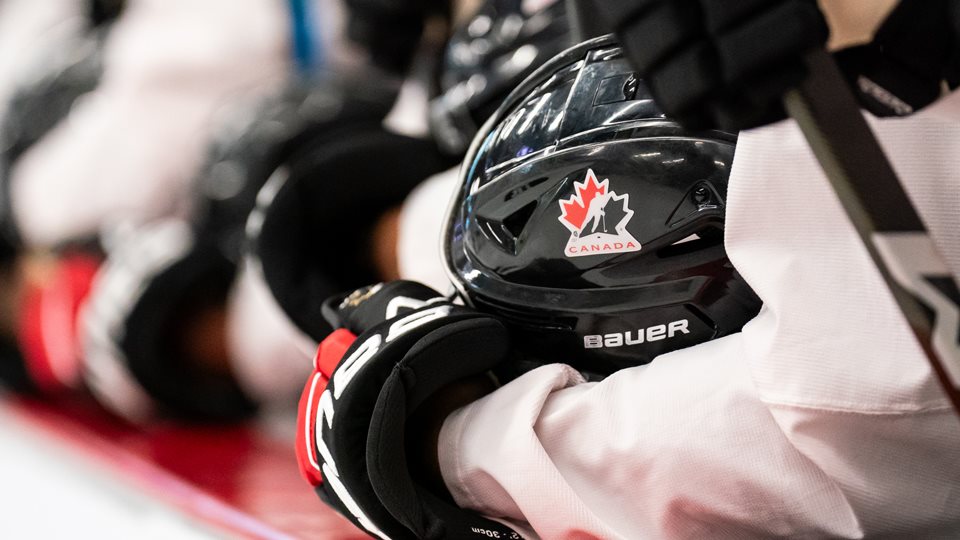
Hockey Canada has unveiled its first Equity, Diversity and Inclusion Path Forward as part of the organization’s ongoing work to drive long-term, sustainable change.

Videos
Photos

TELUS: Top 5 Plays — Tuesday, April 23

TELUS: Top 5 Plays — Wednesday, April 24

TELUS: Top 5 Plays — Monday, April 22

Esso: Top 5 Plays — Wednesday, April 24
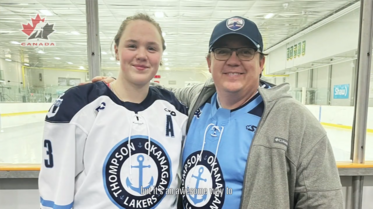
Esso: Misson goes from puck dropper to player

Markham Waxers (CEN) vs. Sydney Rush (HST) | TELUS Cup

Kensington Wild (ATL) vs. Cantonniers de Magog (QUE) | TELUS Cup

Thompson-Okanagan Lakers (HST) vs. L'Intrépide de l'Outaouais (QUE) | Esso Cup

Regina Rebels (WST) vs. Northern Selects (ATL) | Esso Cup

North York Storm (ONT) vs. Edmonton Jr. Oilers (PAC) | Esso Cup

Brandon Wheat Kings (WST) vs. Calgary Buffaloes (PAC) | TELUS Cup

Esso: Top 5 Plays — Tuesday, April 23

Northern Selects (ATL) vs. Edmonton Jr. Oilers (PAC) | Esso Cup

North York Storm (ONT) vs. L'Intrépide de l'Outaouais (QUE) | Esso Cup

Regina Rebels (WST) vs. Thompson-Okanagan Lakers (HST) | Esso Cup

Sydney Rush (HST) vs. Cantonniers de Magog (QUE) | TELUS Cup

Kensington Wild (ATL) vs. Brandon Wheat Kings (WST) | TELUS Cup

Calgary Buffaloes (PAC) vs. Markham Waxers (CEN) | TELUS Cup
- <
- >







Recent News
April 25, 2024
April 23, 2024
April 22, 2024
April 20, 2024
Land AcknowledgmentHockey Canada acknowledges with respect, the history, spirituality, and culture of the First Nations and peoples on whose traditional territories we gather and whose ancestors signed Treaties with our ancestors. We recognize also, the Inuit and Métis whose ancestors shared this land and these waters. May we all, as Treaty People, live with respect on this land, and live in peace and friendship with all its diverse peoples. This recognition and respect for Indigenous Peoples and their lands is a key towards reconciliation. |
© Copyright 2024 Hockey Canada

Select Language